The reverberations of the ongoing conflict in Iran are sending shockwaves far beyond the immediate Middle Eastern theater, threatening to destabilize the global economy in ways not seen before. Fatih Birol, the head of the International Energy Agency, articulated this stark warning recently in Canberra, emphasizing that no nation would remain untouched should the crisis continue its current trajectory. His assessment paints a grim picture, suggesting the cumulative impact now surpasses the severity of the 1970s oil crises and even the energy market disruptions stemming from the Russia-Ukraine war.
Evidence of this escalating crisis is already manifesting in volatile oil markets. On Monday, US WTI crude prices soared past the $100 per barrel mark, while the international benchmark, Brent crude, climbed above $113 a barrel. This upward trend reflects deep-seated anxieties as the conflict shows no signs of abatement. The situation intensified following a new wave of Israeli attacks against Tehran early Monday, met with Iranian threats to target power plants across the Middle East if US President Donald Trump makes good on his recent social media declaration to bomb Iranian power stations.
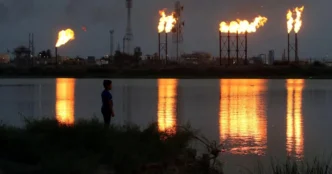
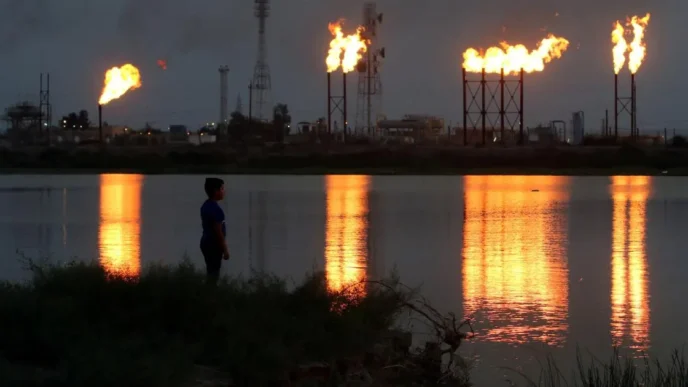
Since its commencement on February 28, the conflict has inflicted substantial damage across the region’s energy infrastructure. Birol confirmed that 40 energy assets spanning nine different countries have sustained severe or very severe damage. This destruction underscores the direct physical impact of the hostilities on critical global energy supplies and distribution networks. The IEA is now actively consulting with governments in Europe and Asia regarding the potential release of strategic oil stockpiles, a measure previously employed during periods of significant supply disruption. Birol indicated this option remains on the table, contingent on market conditions and further analysis in collaboration with member states.
A pivotal point of contention remains the Strait of Hormuz, a critical shipping lane through which a significant portion of the world’s oil transits. Iran’s continued assertion of control over this strategic waterway has led to a recent ultimatum from the United States. President Donald Trump issued a 48-hour deadline for Tehran to ensure unrestricted passage for all ships, threatening to “obliterate” Iran’s power plants if the demand is not met. This threat, posted to social media early Sunday in Middle East time zones, escalates an already perilous standoff, raising concerns about potential direct military confrontations in addition to the economic fallout.
The interconnectedness of the global energy system means that disruptions in one region can quickly ripple outwards, affecting everything from manufacturing costs to consumer prices worldwide. The IEA’s stark warning serves as a critical reminder of the fragility of these systems when confronted with sustained geopolitical instability. As oil prices continue their ascent and threats of further escalation loom, the international community watches nervously, grappling with the potential economic consequences of a conflict that shows little sign of de-escalation. The coming days will likely determine whether diplomatic efforts can avert a broader economic crisis or if the world is indeed on the brink of an unprecedented financial challenge.