Ziga Plahutar/Getty Images
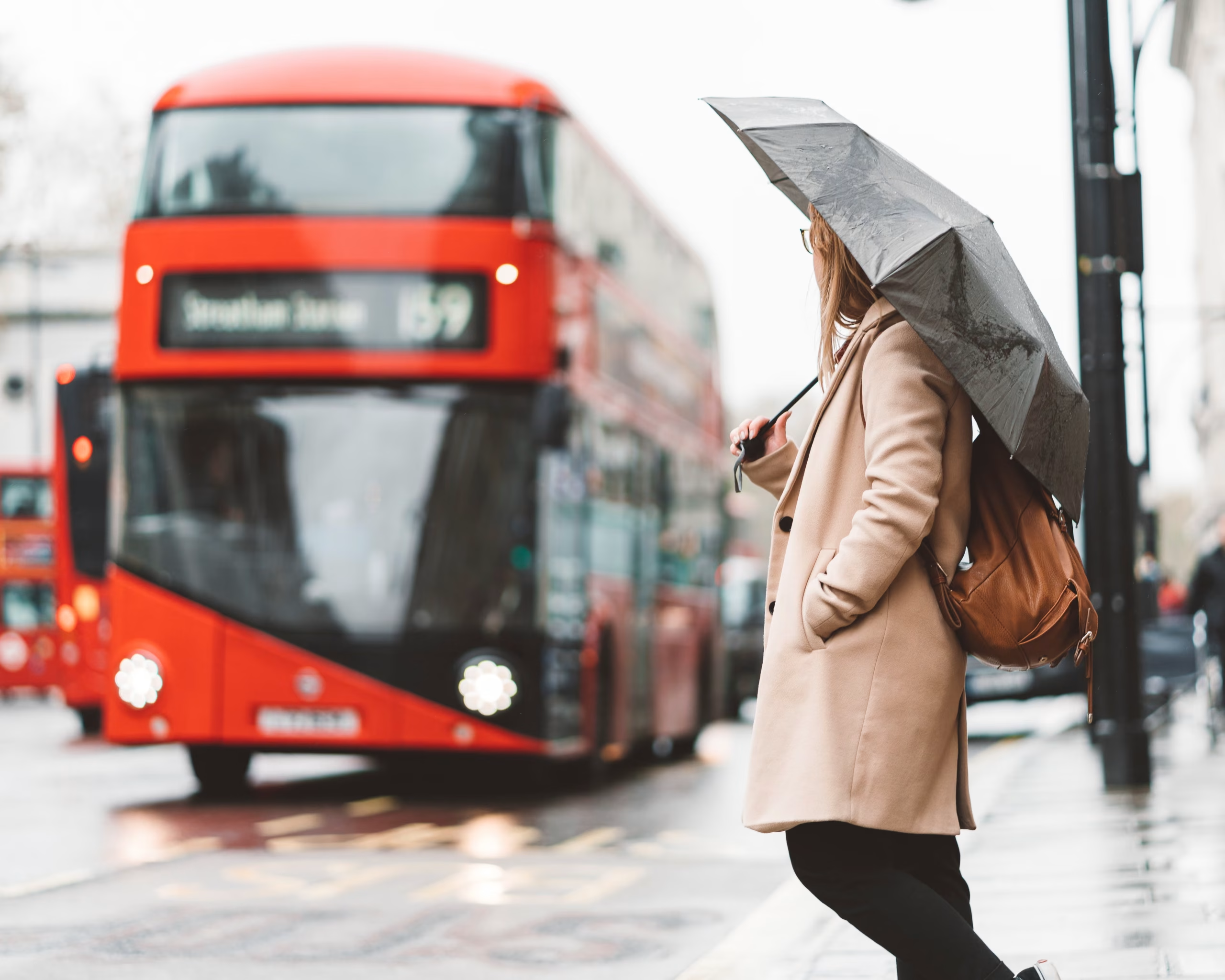
Transport for London has announced it will launch a new publicly owned bus company, Buses for London, with services starting next year in a move TfL is calling a “major milestone” in its plan to improve the capital’s bus network.
The new public operator will take over a handful of London’s roughly 700 bus routes starting in late 2027, beginning with route 6, which runs between Willesden and Victoria station. A further four routes to be handed to the public company from 2028 have yet to be announced. At present, TfL contracts its bus services out to eight privately owned operators.
TfL says bringing routes under public ownership will give it greater control over how services are run, allowing it to improve reliability and safety while reinvesting any profits back into the transport network rather than out to shareholders.
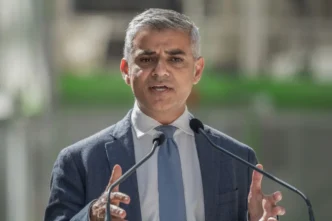
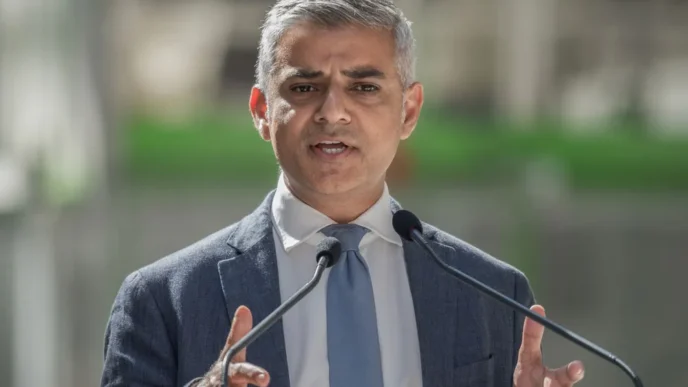
Mayor of London Sadiq Khan framed the launch as a chance to rethink the network from the ground up: “This is an opportunity to reimagine our bus network so that it provides better value for money, supports our climate goals, makes our roads safer, and overall just works better for passengers and drivers alike.”
The move comes as London’s buses have grown gradually slower over the past decade, with passenger numbers falling as routes contend with worsening congestion and shrinking road space. Lorna Murphy, TfL’s director of buses, said the new company marked “an exciting new chapter,” pointing to a planned depot in the Old Oak regeneration area that would become “the first home of a new generation of zero-emission buses.”
Unions welcomed the shift. Unite general secretary Sharon Graham said the union had “long been calling for London’s bus services to be returned to public ownership,” arguing that “outsourcing to private companies hasn’t worked well for workers or passengers.” Unite’s national officer for passenger transport, Wayne King, called the launch “only the beginning” and said the union would hold TfL and the mayor accountable on pay, terms and working conditions at the new operator.
Private operators pushed back on the plan. Graham Vidler, chief executive of the Confederation of Passenger Transport, argued the real fix lies elsewhere: “Passengers don’t need a new public bus operator. They need faster, more reliable journeys,” he said, noting that London buses currently average just 9 mph, slower than the typical cyclist. Vidler warned that “the uncertainty created by a new publicly owned operator risks making it harder for private operators to make the case for continued investment in London in the future,” while pointing to existing private investment in new vehicles and technology.
The launch is part of a broader shift in bus policy since Labour’s 2025 overhaul, which expanded franchising and public control of bus services and opened the door for local authorities nationwide to set up their own publicly owned bus companies, following a small number of municipal operators, including in Reading, Blackpool and Nottingham, that survived deregulation and privatisation in the 1980s.