The price of a transatlantic flight or a summer vacation package could see significant shifts if the geopolitical landscape in Iran destabilizes further. While the immediate focus of any regional tension naturally centers on humanitarian and security concerns, the ripple effects invariably extend to global economic sectors, with the travel industry often feeling an early impact. Fuel costs, a primary driver of airline ticket prices, are particularly sensitive to disruptions in major oil-producing regions and critical shipping lanes.
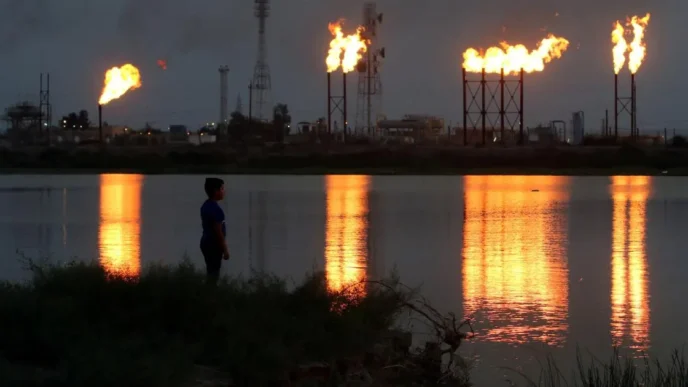
Any escalation in the Persian Gulf, a vital artery for global oil shipments, typically sends crude oil prices upward. This direct correlation means that airlines, operating on already thin margins, would face increased operational expenses almost immediately. These higher costs are then, almost inevitably, passed on to consumers in the form of elevated airfares. Travelers planning trips to Europe, Asia, or even domestic destinations could find their budgets stretched further than anticipated, potentially leading to a reassessment of travel plans or a reduction in trip duration. The last significant spike in oil prices, triggered by various international events, offered a clear demonstration of how quickly fuel surcharges can reappear and how rapidly ticket prices can adjust.
Beyond air travel, the broader tourism sector also stands to be affected. Cruise lines, for instance, rely heavily on stable fuel prices for their extensive itineraries. Higher bunker fuel costs could lead to increased fares or, in some cases, adjustments to routes to mitigate expenses. Similarly, the cost of ground transportation, including rental cars and tour buses, is directly tied to gasoline prices. For those planning road trips or extensive tours, the cumulative effect of higher fuel charges across multiple modes of transport could become substantial. Hotels and other hospitality providers, while not directly impacted by fuel costs in the same way as airlines, often see a downturn in bookings when overall travel expenses rise, as discretionary spending tightens.
The psychological impact of regional instability also plays a role. Even if a conflict remains geographically contained, the perception of heightened risk can lead to a dip in consumer confidence regarding international travel. This can result in fewer bookings, particularly for destinations perceived as being in or near a volatile region, even if they are far removed from any direct threat. Travel insurance premiums might also see an uptick as insurers adjust their risk assessments, adding another layer of expense for travelers seeking peace of mind. Tour operators, who often book services months in advance, could find themselves navigating a delicate balance between honoring existing price commitments and absorbing unforeseen cost increases.
Furthermore, supply chain disruptions, even minor ones, can contribute to inflation across various goods and services, including those consumed by tourists. From the cost of food served in restaurants to imported souvenirs, a broader inflationary environment fueled by geopolitical events can subtly yet significantly erode a traveler’s purchasing power. The interconnectedness of the global economy means that a shock in one area can reverberate widely, making careful budgeting and flexibility increasingly important for those planning their summer getaways amidst an evolving international climate.